
Hearing Evaluation
When was your last hearing evaluation? Are you overdue? Most people routinely have their eyes checked, teeth cleaned, and see their primary care doctor. Hearing testing needs to be included in this list of healthy routines. Early identification of hearing loss can help avoid years of frustration from not hearing conversations and can help keep your brain healthy. Hearing testing is a key component to your hearing health! A hearing test is a non-invasive examination. Your team at Yost Hearing goes beyond a basic hearing test with The Yost Hearing (6-Step) Comprehensive Hearing Evaluation.
Call 304-599-6762 to schedule your Comprehensive Hearing Evaluation today!
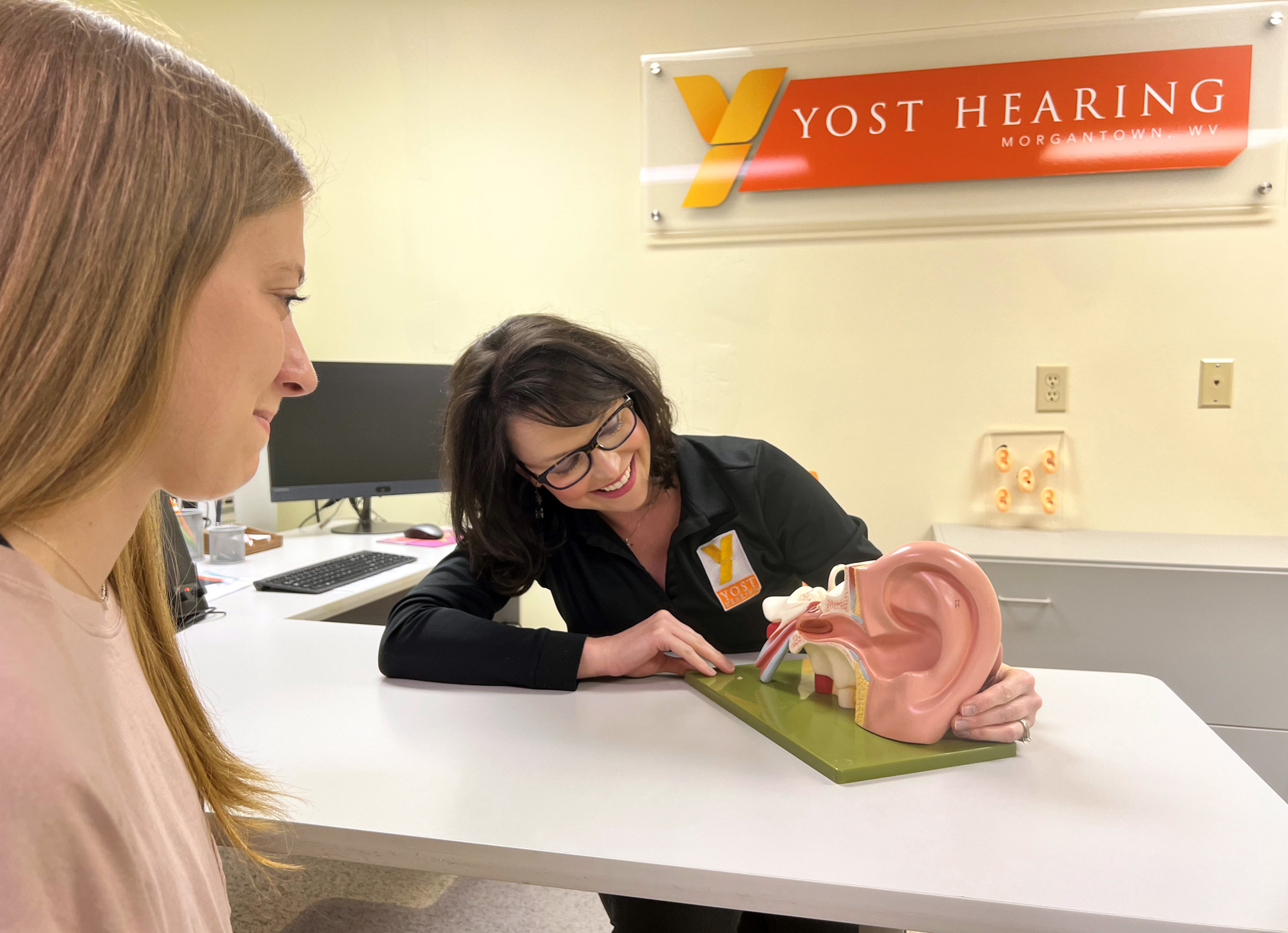
The Yost Hearing Comprehensive Hearing Evaluation
Step 1: Case History
During this step, our hearing professionals will ask you questions about your hearing health.
Examples include:
- How long have you been experiencing hearing loss?
- How is your hearing in background noise?
- What are your communication goals?
- Have you noticed any tinnitus (ringing in your ears)?
This step helps provide clues about what may be contributing to your hearing difficulties. Additionally, this is an important step in determining how your hearing is affecting your overall quality of life. Our team will help identify where you are experiencing communication difficulties. The information learned during this step will help our hearing professionals formulate your personalized hearing treatment plan based on your individual needs and experiences. This is also a great time to bring up any concerns about your hearing that you may be having.
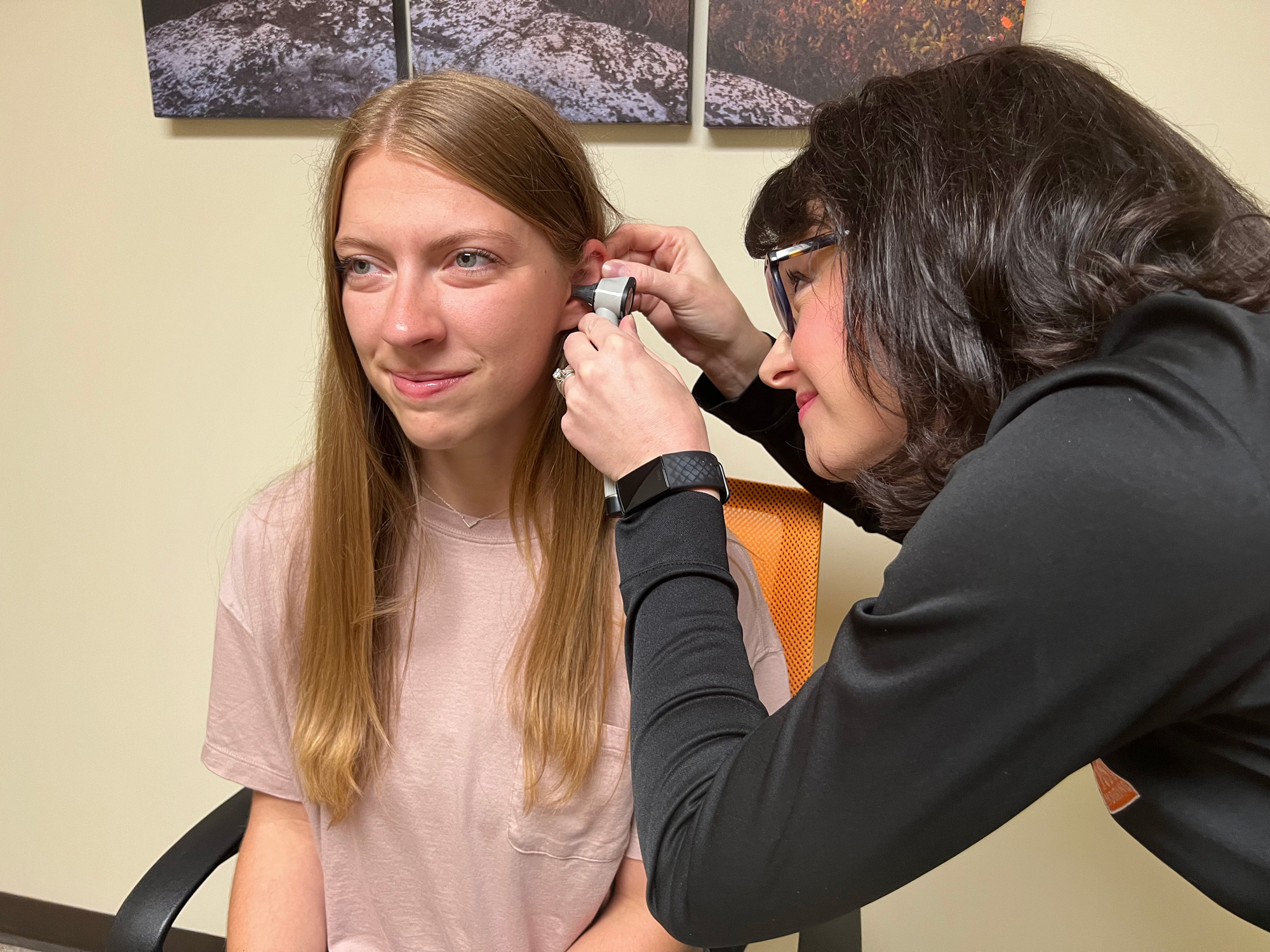
Step 2: Otoscopy
This is a significant step in evaluating potential causes of your hearing problems. During otoscopy, our hearing professionals will examine your outer ear, ear canal, and eardrum with a magnified lighted instrument. This will allow them to see if earwax removal will be necessary in case of earwax or another foreign object blocking the ear canal or eardrum. Otoscopy also allows our team to look for signs of irritation, infection, or other concerns that may require further evaluation. Otoscopy can be done with a handheld instrument or with a computer-based video otoscope.
Step 3: Tympanometry
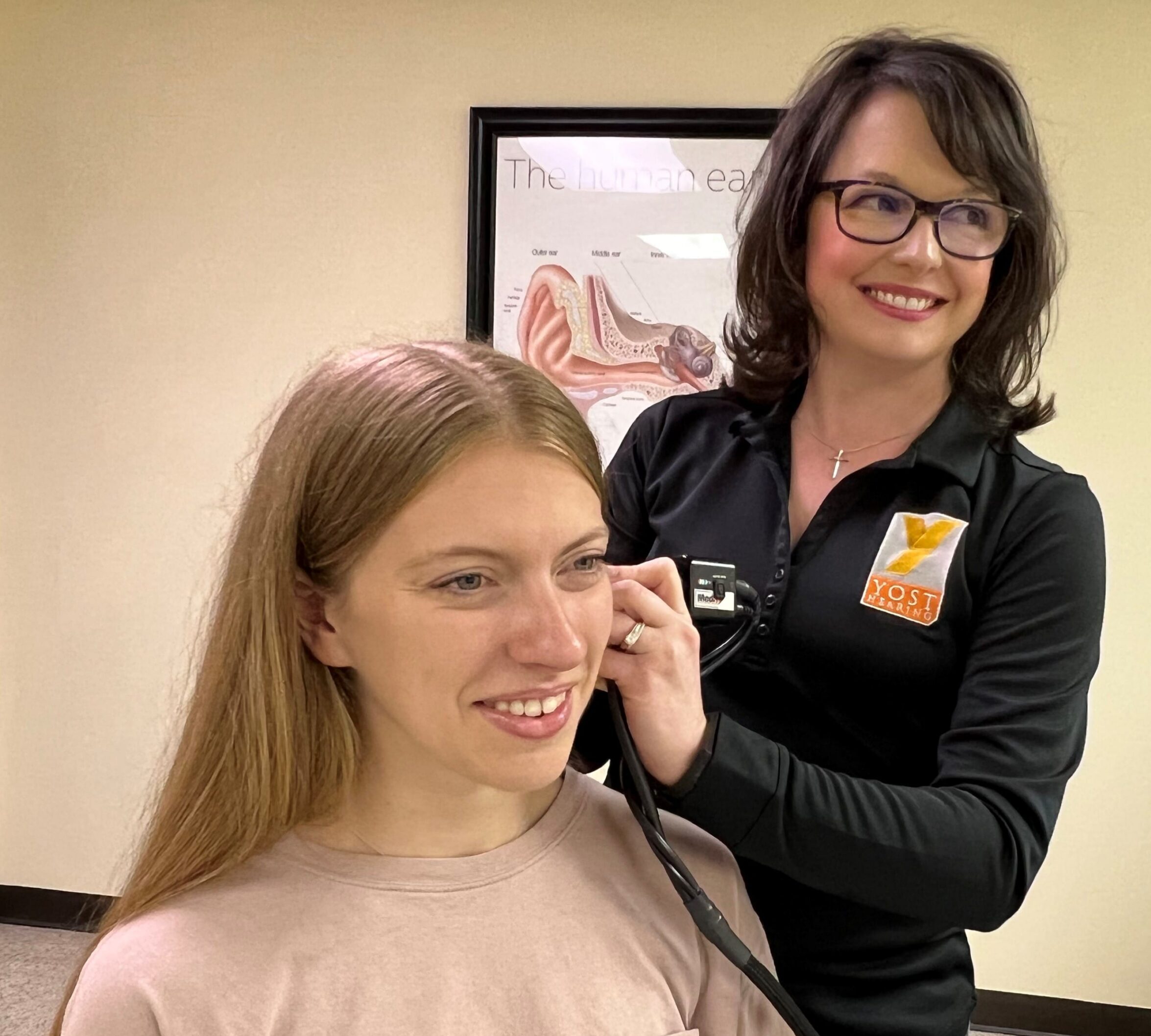
Tympanometry testing may be recommended if you are experiencing any complaints of fullness or pressure in your ears or if your eardrum looks abnormal. This diagnostic test involves placing a tiny probe tip in your ear canal. You will feel a little pressure in your ears, almost like you are going up a mountain. This test will measure how your eardrum is moving. Our hearing professionals will be able to interpret the function of your middle ear from this test. This test is also helpful in determining potential causes of your hearing loss.
Step 4: Pure Tone Testing
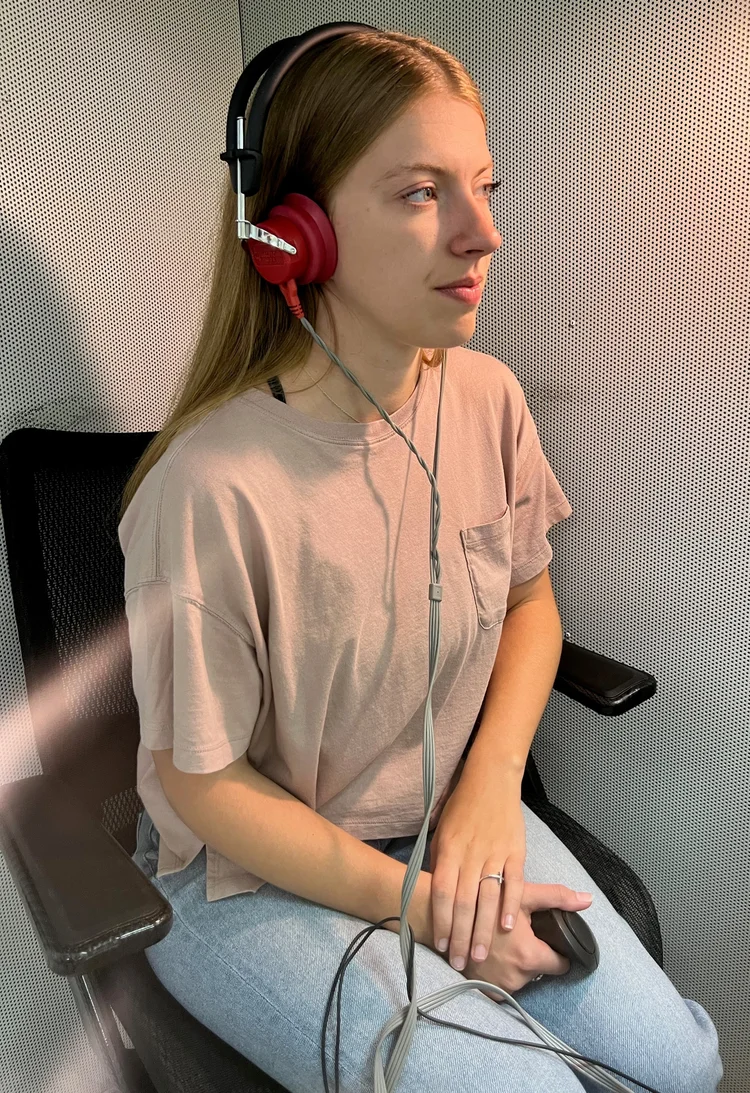
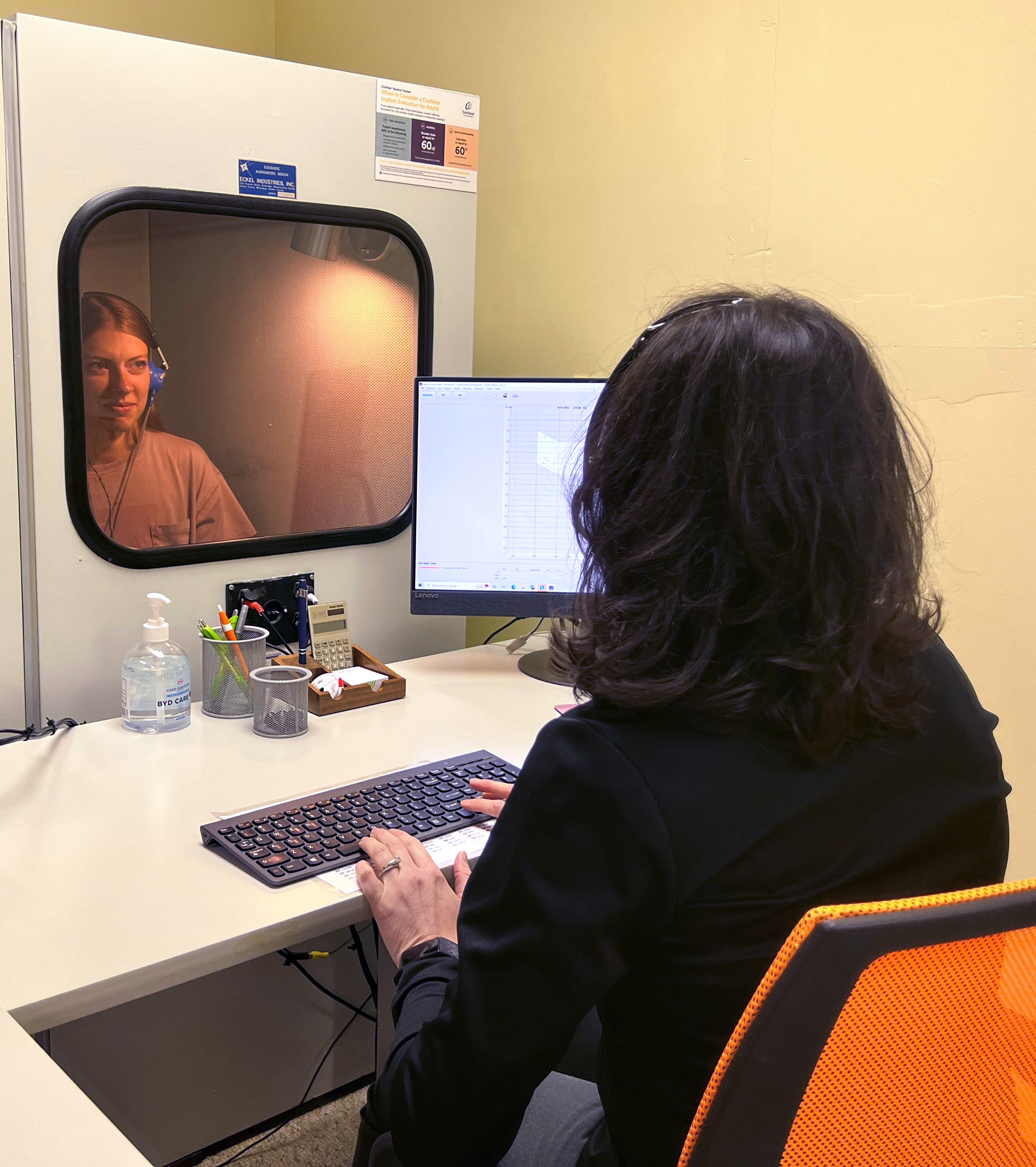
This is probably the step you think about when you hear the words “hearing test”. Pure tone testing is done in the sound-treated booth. During this test, our team will use headphones or insert earphones to play beeps. Specific frequencies will be tested and plotted on a graph to become your audiogram. The first portion of pure tone testing will test your hearing through the air conduction pathway. This will give our hearing professional the degree and configuration (or shape) of your hearing loss. The second part of pure tone testing is completed by placing a bone-conduction headband behind your ear. This will test your hearing by bone conduction. This part of the test will allow your team at Yost Hearing to determine what type of hearing loss you may have.
Step 5: Speech Testing
Hearing a sound and understanding a word aren’t always the same thing. Speech testing looks at how softly you can detect and recognize words and how accurately you repeat them. During this part of the evaluation, our team will present words at different listening levels and ask you to repeat what you hear. Your results provide a speech understanding score and help verify your pure-tone results, while also showing how well you understand speech at comfortable listening levels. Speech testing provides information that tones alone cannot show and may help explain why conversation becomes difficult even when you can hear someone speaking. These results help our providers make appropriate treatment recommendations and establish realistic expectations for hearing aids.
Step 6: Result Review
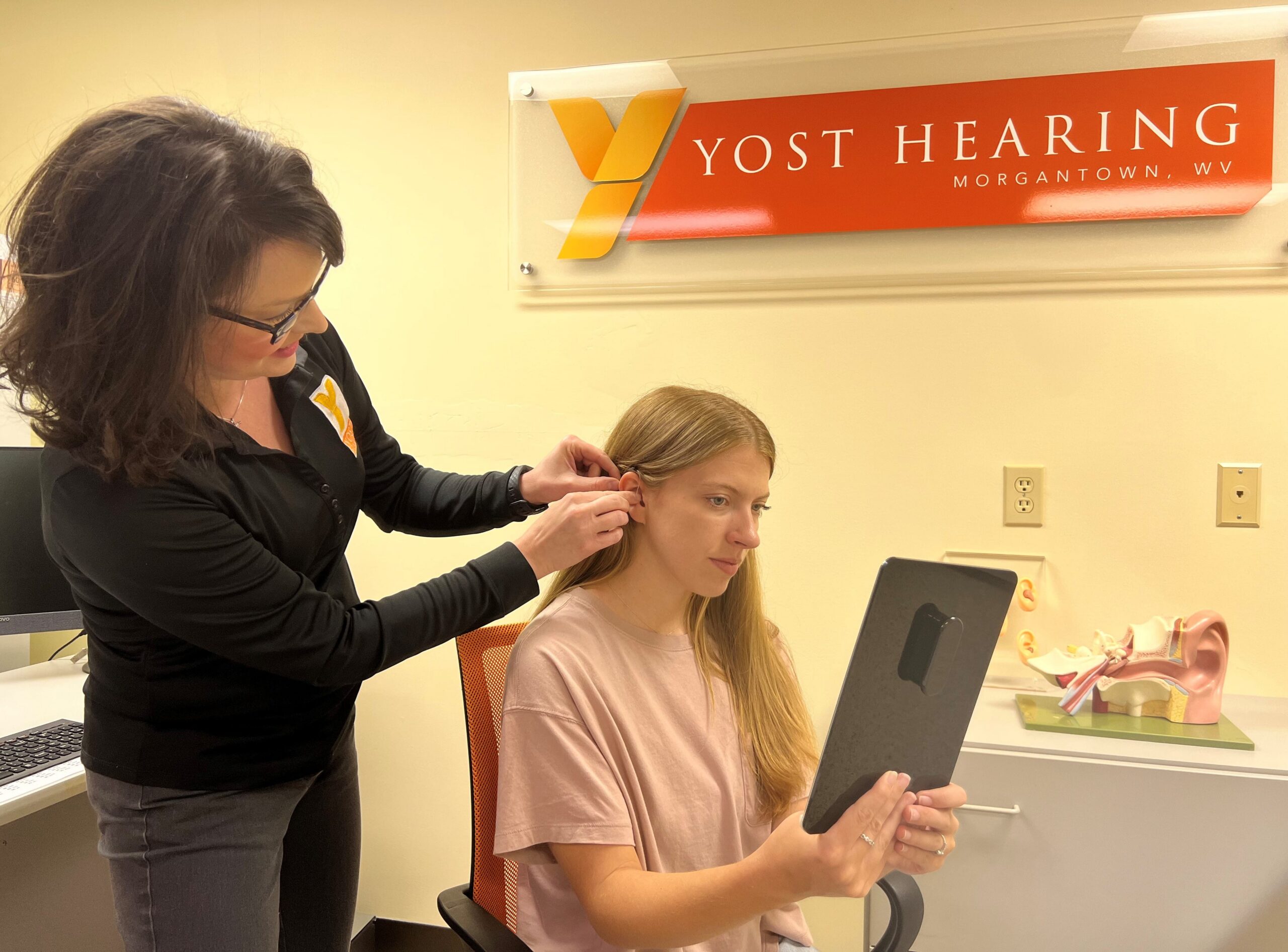
Once testing is complete, a Yost Hearing provider will review the results with you and explain how to read the audiogram and what your results mean. We’ll take the time to walk through each part of your results, answer your questions, and make sure you understand what was found. Together, you’ll discuss your hearing needs and develop a treatment plan based on your individual hearing loss, lifestyle, and goals. If hearing aids are appropriate, we’ll discuss the different hearing aids and technology available to you. You’ll leave knowing what we found, what it means, and what your next steps are.
Frequently Asked Questions
Does a hearing test hurt?
Not at all! A hearing test is a painless non-invasive process.
How long does The Yost Hearing Comprehensive Hearing Evaluation take?
The evaluation takes about 1 hour.
How much does The Yost Hearing Comprehensive Hearing Evaluation cost?
The evaluation costs between $60 – $100 depending on the tests that need to be completed. Yost Hearing works with many insurance companies and is happy to provide complete insurance verification & processing.
How often do I need a hearing test?
For patients with hearing loss, an annual hearing screening after the initial diagnosis of hearing loss is recommended. For patients with normal hearing, it is recommended once a decade until age 50 and then every three years after 50. It is important to note that anytime you notice a change in hearing, a hearing test should be completed.
Should I bring someone with me for my hearing evaluation?
Yes! It is HIGHLY recommended to bring a friend or family member. It is helpful to have a companion and extra set of ears.